
Flooded Basement in Cambridge
Old foundations, low ground near the Charles River and Alewife Brook, and sewers that still share pipes with storm drains in parts of the city: a Cambridge basement can flood from below, from the side or through the floor drain.
Why Cambridge Basements Flood
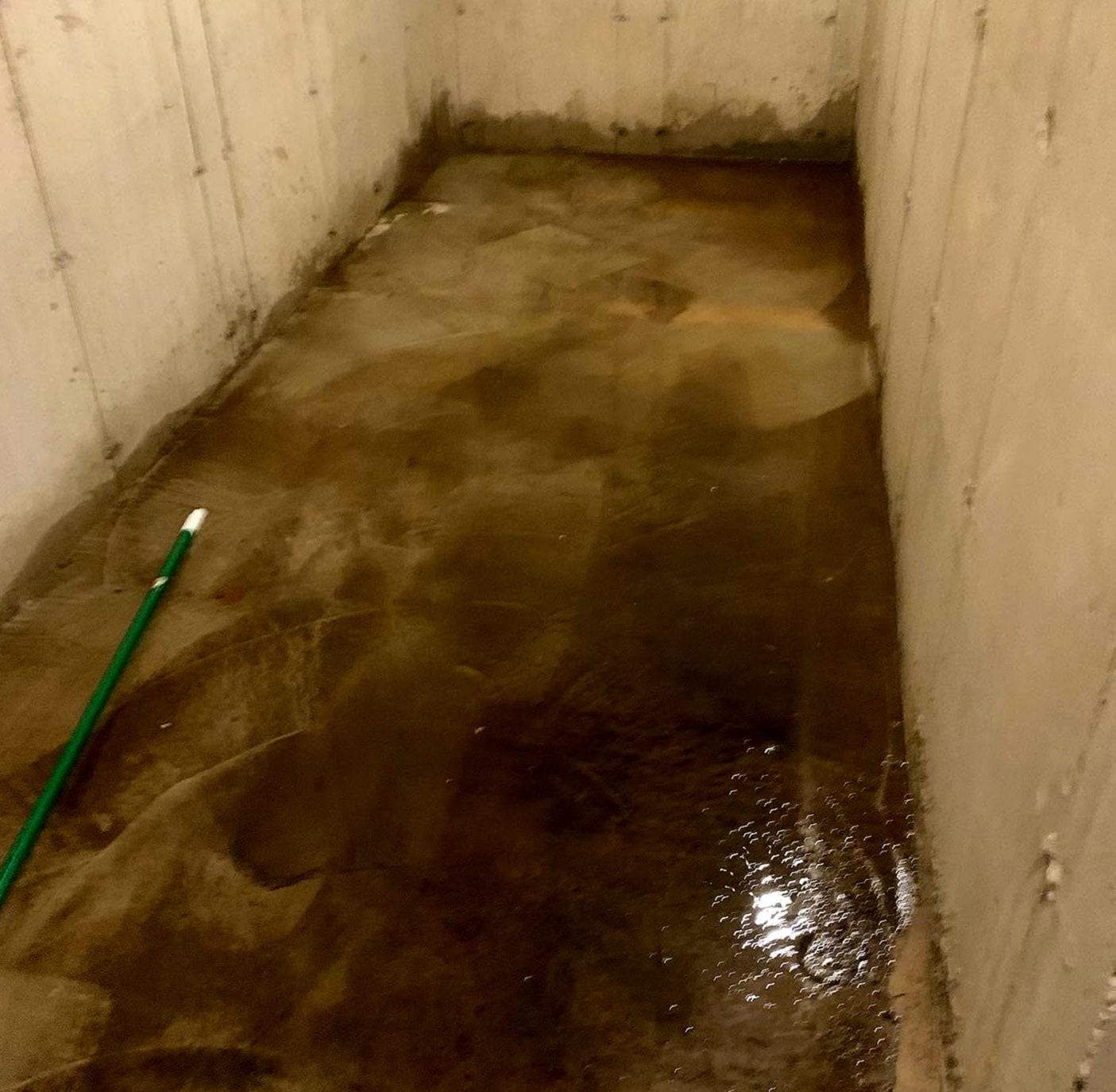
Most Cambridge houses were built before modern waterproofing. Fieldstone and brick foundations were never meant to be watertight, and early poured concrete cracks with age. After a soaking rain or a fast snowmelt, groundwater pushes through the joints and cracks and spreads across the floor, especially where the ground is low and the water table is high.
The city's sewers add a second risk. In parts of Cambridge, storm water and sewage still run in the same pipes, and much of the rest of the system dates from an era of designs that behave much the same way. In a hard rain those pipes fill up, and the easiest way out is the lowest drain in the neighborhood: often a basement floor drain. The July 2010 storm flooded basements across the city.
Then there are the everyday failures: a sump pump that stops when the power goes out, a water heater that gives way, a washer hose that splits. Whatever the cause, a basement that is dried properly within a day or two rarely grows mold. One that is pumped out and left usually does.
Symptom, Likely Cause, Fix
Match what you see to the likely cause. The fix column covers both the cleanup and what stops it happening again.
| Symptom | Likely Cause | Fix |
|---|---|---|
| Water seeping in along the base of the walls after heavy rain or snowmelt | Seepage: groundwater pressing through an old fieldstone, brick or concrete foundation | Extract and dry now. Later: gutters and downspouts that carry water well away, grading that slopes away from the house, and an interior drain with a sump if it keeps happening |
| Dirty water with a sewage smell rising from the floor drain | Sewer backup: the public sewer is overloaded in a storm, or the house drain line is blocked | Category 3 cleanup: soaked porous materials out, cleaning and disinfection, drying. Afterward, a licensed plumber can fit backwater valves |
| Water around the sump pit and the pump is silent | Sump pump failure: the power went out, the float stuck, or the pump is worn out or too small | Extract and dry; replace the pump and add a battery or water-powered backup |
| A spreading puddle by the water heater or the washing machine | A leaking tank, a burst washer hose or a failed fitting | Shut off the water to the appliance, extract and dry, and have the appliance repaired or replaced |
| Water pouring in at a basement window | A window well filled with rain, snowmelt or leaves | Clear the well, fit a cover, dry the wall and floor below it |
| A white, chalky crust on the foundation and a damp smell, but no standing water | Moisture moving through the masonry, plus summer humidity | A dehumidifier set to about 50 percent, gutters checked; we can measure how damp the walls really are |
Before Our Team Arrives
Safety first, then the steps that limit the damage:
- Do not step into the water if it could reach outlets, extension cords, the furnace or the electric panel. If the panel is in the basement and you cannot reach it from a dry spot, call Eversource to cut the power.
- If a pipe or an appliance is the source, shut off the main water valve.
- If sewage is coming up the floor drain, stop using sinks, toilets, the dishwasher and the washer; everything you run upstairs drains into the basement.
- Keep children and pets upstairs. If you must go down, wear rubber boots and gloves.
- Photograph the water line on the walls and everything wet before you move it.
- Carry papers, photographs and valuables upstairs if you can reach them without wading.
- Leave the furnace, boiler and water heater off if water reached their burners or controls; they need checking before they restart.
- Clear the way down the stairs and to the bulkhead so hoses and equipment can come straight in.
Sump Pumps, Backwater Valves and Prevention
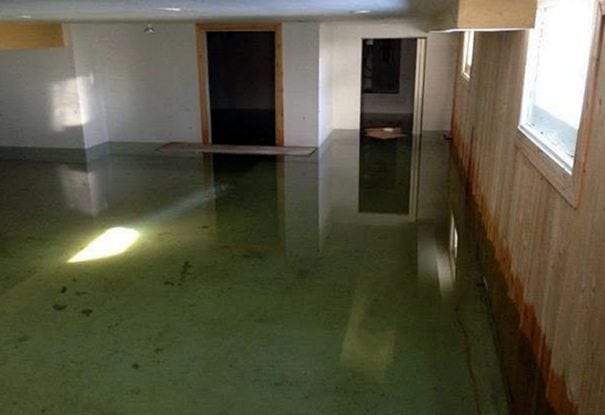
Backwater valves. The Massachusetts plumbing code calls for backwater valves on fixtures below the level of the street, and Cambridge DPW urges property owners to install them. A backwater valve lets water leave the house but closes when the sewer pushes back. Fitting one is a job for a licensed plumber, and it is the most direct protection against sewage coming up the floor drain.
Sump pumps. Test the pump each spring and fall by pouring a bucket of water into the pit. A battery backup keeps it running when a storm takes the power out, which is exactly when it is needed.
Outside the house. Keep gutters clear, extend downspouts several feet from the foundation and keep the soil sloping away from the walls. Inside, run a dehumidifier through the humid months and keep stored things on shelves, not in cardboard boxes on the floor.
Basement Flooding Questions
My sump pump failed. Is the damage covered?
Often only if your policy has a water backup or sump overflow endorsement. Standard homeowner policies usually leave it out, so look for that line before you call the insurance company. Either way, the photos and moisture readings we take are what the adjuster will ask for.
Does homeowners insurance cover a flooded basement?
It depends on the source. Water from a burst pipe or a failed water heater is usually covered as sudden and accidental. Groundwater and surface water that rise into the basement are flooding, which needs a separate flood policy. Sewage that backs up through the floor drain usually needs a sewer backup endorsement. We work directly with insurance companies and will help you show the adjuster where the water came from.
How long does a basement take to dry?
An unfinished basement with a concrete floor often dries in three to five days with extraction, air movers and dehumidifiers running. Fieldstone walls, a finished basement with carpet and paneling, or wet framing take longer. We take readings at each visit and remove the equipment only when the readings show the materials are dry.
Can my finished basement carpet be saved?
After clean water that is extracted quickly, the carpet can sometimes be dried and cleaned in place, though the pad underneath is usually replaced. After sewage or flood water from outside, carpet and pad both have to go, along with drywall and paneling up past the water line, because they cannot be reliably disinfected.
Questions about your basement? Call (857) 754-6108, or read about our water damage restoration work in general.