
Water Damage Restoration in Cambridge
Old plumbing, plaster walls and basements close to the water table: in Cambridge, water damage rarely stays where it started. Here is how we find it, dry it and put things back.
What a Water Damage Job Involves
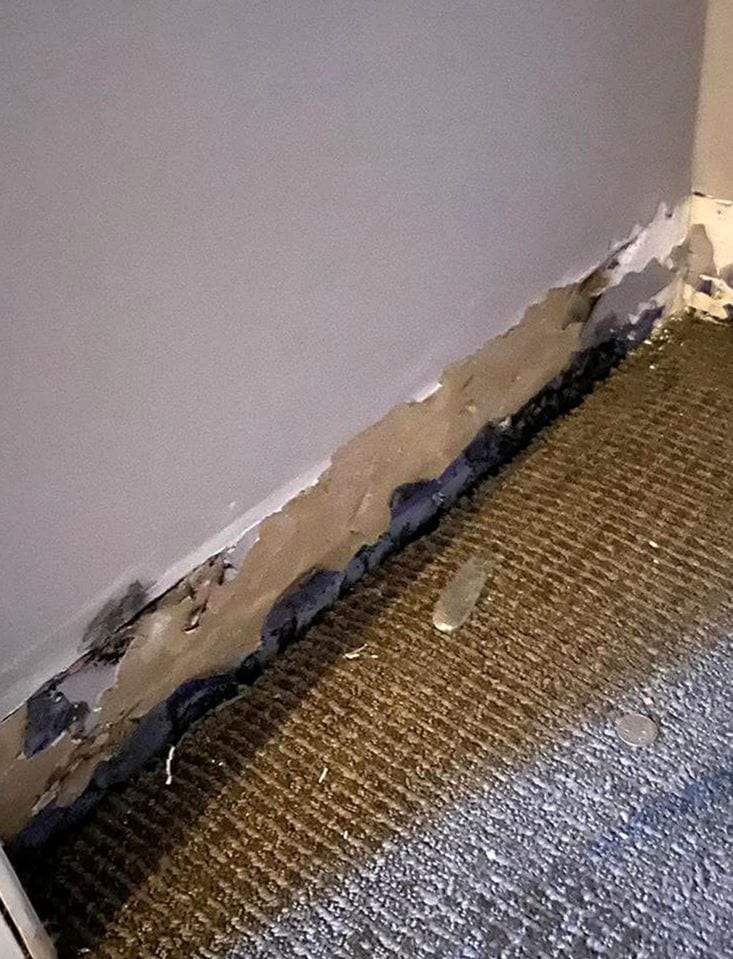
A supply line lets go in a third-floor bathroom. By the time someone notices, the water has run through the floor, across the ceiling of the unit below and down inside the walls to the basement. Older Cambridge houses make this worse: balloon framing gives water open channels between floors, and plaster ceilings hold a surprising amount before they stain or sag. Fast extraction and drying is what keeps that from turning into rebuilt ceilings and mold.
- Stop the source and make the area safe: water off, power off where it is wet.
- Extract standing water from floors, carpet and the basement with professional extraction equipment.
- Map the moisture with meters, room by room, including the floor below and the wall cavities.
- Remove what cannot be dried: soaked carpet pad, swollen particleboard, drywall wet with gray or black water.
- Dry the structure with air movers and dehumidifiers, checking readings until every material is back to normal.
- Repair what was removed, so the room looks the way it did before.
Every visit ends with fresh moisture readings, so you can see the numbers come down day by day and know when the equipment can go.
Water Damage Categories & Risks
Restoration work follows the IICRC's water damage standard, which sorts water by how contaminated it is. The category decides what can be dried in place and what has to be removed, so it is the first thing we establish.
| Category | Source | Contamination Level | Required Action |
|---|---|---|---|
| Category 1 clean water | A broken supply line, faucet, ice maker line or water heater; rain or snowmelt coming straight in | Low at first. After a day or two in carpet, pad and wall cavities it picks up bacteria and becomes Category 2 | Stop the source, extract, dry quickly. Plaster, framing and often carpet can be dried in place |
| Category 2 gray water | Washing machine or dishwasher discharge, a toilet overflow with urine but no waste, groundwater seeping through a foundation | Significant: can make people sick if touched or swallowed | Extract, clean and disinfect, replace carpet pad, then dry the structure |
| Category 3 black water | Sewage, a toilet backing up from beyond the trap, river or surface flooding, any water that has sat long enough to grow bacteria | Grossly contaminated: bacteria, viruses and chemicals | Protective gear, removal of soaked porous materials (carpet, pad, drywall below the water line, insulation), disinfection, then drying |
The category can get worse while you wait. Clean water from a burst pipe that sits in carpet over a long weekend is treated as Category 2 by Monday, and stagnant water of any kind ends up as Category 3.
How Serious Is It?
Not sure whether you need help tonight or next week? The checker below asks what we would ask on the phone. If water is still coming in, skip it and call (857) 754-6108.
Water Damage Severity Checker
Answer six quick questions about the water in your home. The checker estimates the likely water category and how soon you should call. It is a rough guide for the first hour, not an inspection.
Your result will appear here.
Before We Arrive
The first half hour makes a real difference to how much has to be torn out later. If it is safe, do these things:
- Shut off the water at the fixture or the main valve. In most older Cambridge houses the main is in the basement, where the water line comes through the street-side foundation wall next to the meter.
- If water is near outlets, cords or a light fixture, stay out of that room. Turn off the circuit only if you can reach the panel without standing in water.
- Move rugs, electronics, papers and photographs to a dry room, and set foil or wood blocks under furniture legs on wet carpet.
- Take photos and short videos of every wet area and of the source (the pipe, the hose, the appliance) before anything is repaired or thrown away.
- Tell the neighbors above or below. In a triple-decker or a condo building, water rarely stays in one unit.
- Do not use a household vacuum on water, and do not switch on lights or ceiling fans in a room with a wet or sagging ceiling.
- If the water is gray or black, keep children and pets away and wash your hands after any contact.
- Call your insurance company to open a claim if you plan to use it; we can tell you what the adjuster will want to see.
Plaster, Hardwood and Old Basements
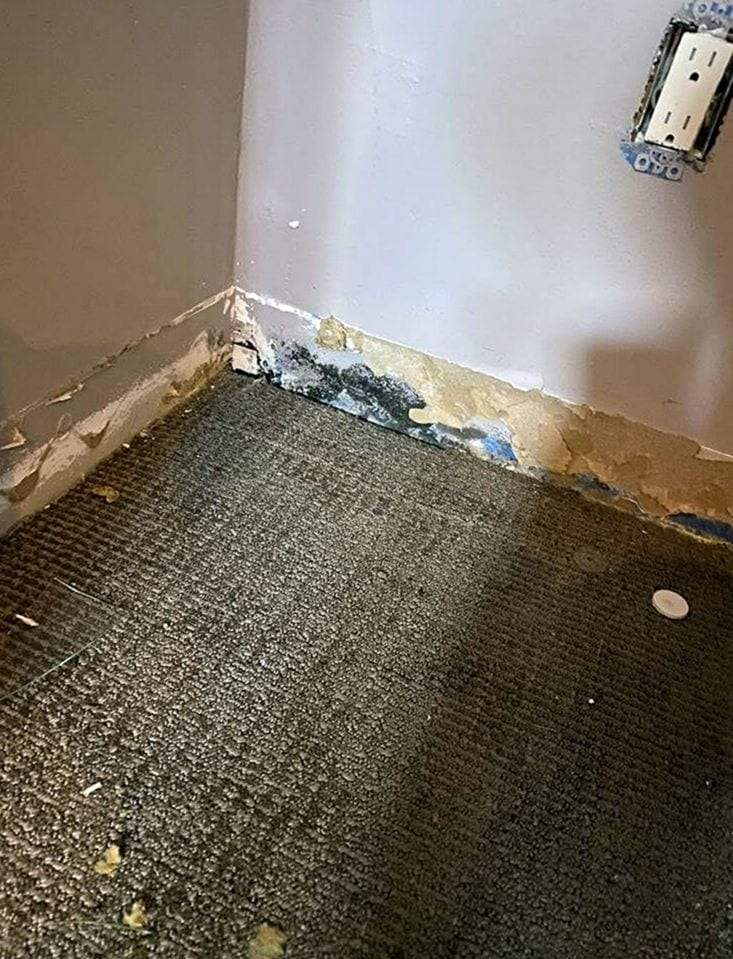
Plaster and lath. Three-coat plaster over wood lath is far more forgiving than drywall. After clean water it can usually be dried in place, which saves original walls and ceilings. We take readings before anything is cut, and we only open plaster where water is trapped behind it or the keys have let go and the ceiling is sagging.
Hardwood floors. Oak and maple strip floors cup when the boards take on water from below. Dried slowly and evenly, most settle back down. Sanding a floor before it is dry is a common and expensive mistake.
Basements. Fieldstone and old concrete foundations soak up water and release it for weeks. Drying a basement properly means drying the walls and the air, not just pumping the floor dry. Our flooded basement page covers seepage, sewer backups and sump pumps.
Water Damage Basics
How long does drying take?
Most rooms need three to five days of drying equipment running around the clock. Dense materials take longer: old plaster, hardwood floors, thick framing and fieldstone foundations hold water and give it up slowly. We take moisture readings every visit and compare them with dry, unaffected materials in the same house. The equipment stays until the readings match, not until a set number of days has passed.
Will I get mold?
Not if the structure is dried in time. According to the EPA, mold can start growing on wet drywall, wood and carpet pad within 24 to 48 hours, which is why extraction and drying start as early as possible. Spencer is IICRC certified in applied microbial remediation, so if mold has already started, we deal with it as part of the same job. See our mold remediation page.
Does insurance cover water damage?
Homeowner policies usually cover water damage that is sudden and accidental: a burst pipe, a failed supply hose, an appliance that overflows. They usually do not cover a slow leak that went on for months, water that rose from outside (that needs flood insurance), or a sewer backup unless the policy has a water backup endorsement.
We work directly with insurance companies and send your adjuster the photos, moisture readings and estimate. The coverage decision is the insurer's; we help you give them what they need to make it.
Can we stay in the house while it dries?
Usually, yes. Air movers and dehumidifiers make steady noise, warm the room and draw on household circuits, but most families stay put and close the door on the drying rooms. With sewage, or when the kitchen or the only bathroom is torn up, it is often easier to stay elsewhere for a few days; check whether your policy pays for that.
Do you also do the repairs?
Yes. We handle the job from emergency extraction through the repairs: replacing the drywall or plaster that had to come out, insulation, trim and the finish work, so you deal with one company and one point of contact from start to finish.