Mold Remediation in Cambridge
Damp basements, humid summers and old walls that hide leaks give mold plenty of chances. Spencer is IICRC certified in applied microbial remediation, and the work starts with finding the water that feeds it.
Why Mold Grows in Cambridge Houses
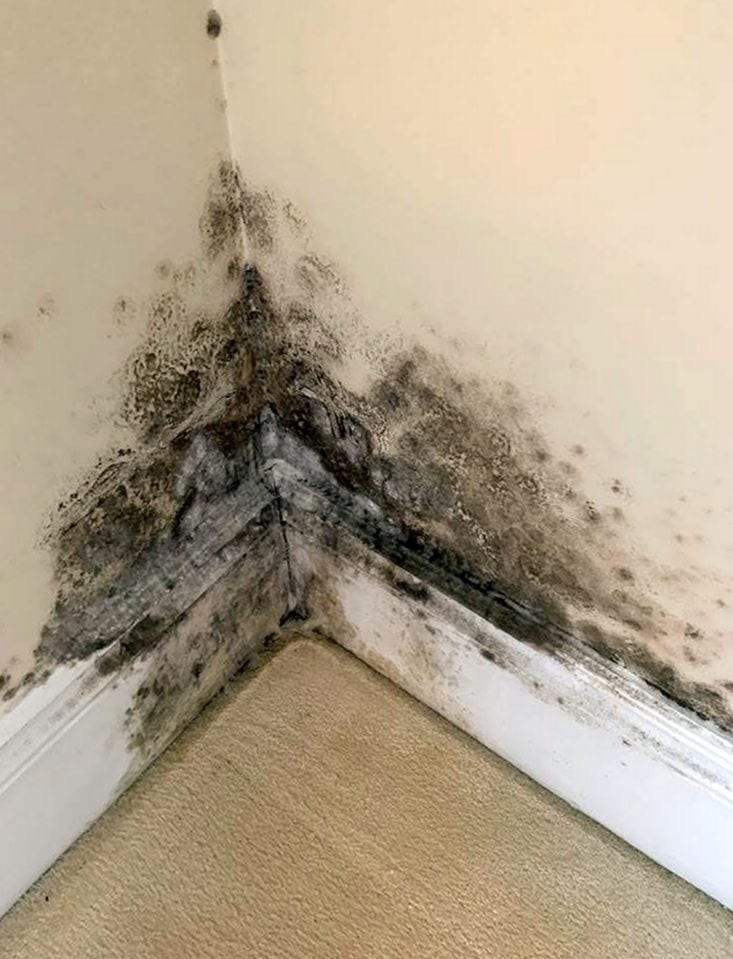
Mold needs moisture, and older houses here supply it in several ways. Basements stay cool all summer, so humid July air condenses on the foundation walls and the cold water pipes. Slow leaks run behind plaster for months before they show. Bathroom fans in many older houses vent into the attic, or there is no fan at all. Finished basements put carpet and drywall right against concrete that is never quite dry.
The growth you can see is usually the smaller part. The EPA's advice is to keep indoor humidity below 60 percent, ideally between 30 and 50, and to dry anything that gets wet within 24 to 48 hours. A basement dehumidifier and working bathroom fans do more to prevent mold than any spray.
When mold has already taken hold, removing it safely is a job for someone trained in it. Spencer Burton is IICRC certified in applied microbial remediation and keeps that training current as techniques and equipment change.
Mold Types & Health Risk
These are some of the molds most often found indoors. Knowing the name is interesting, but it rarely changes the plan: the CDC and EPA advise treating all indoor mold growth the same way, whatever the species.
| Mold Type | Common Location | Health Risk | Remediation Method |
|---|---|---|---|
| Cladosporium | Window frames and sills, damp painted walls, fabrics, the back of furniture against cold outside walls | Allergy symptoms and asthma flare-ups | Fix the condensation, clean hard surfaces, remove affected soft materials |
| Penicillium and Aspergillus | Water-damaged drywall, carpet and pad, insulation, stored boxes, damp basements | Allergies and asthma; some species can cause infections in people with weakened immune systems | Containment, HEPA air filtration, removal of contaminated porous materials, HEPA vacuuming |
| Stachybotrys (often called “black mold”) | Drywall paper, ceiling tiles and wood that stayed wet for weeks, usually behind a long-term leak | Irritation and allergic reactions; a sign the material has been wet a long time | Containment under negative air pressure, careful removal of the material, drying the framing |
| Alternaria | Showers and tub surrounds, under sinks, around leaking windows | A common allergen and asthma trigger | Fix the leak, replace failed caulk and soaked materials, clean and dry |
Health effects differ from person to person. If anyone in the house has symptoms, talk to a doctor; our job is to remove the growth and the moisture behind it.
How We Remove Mold
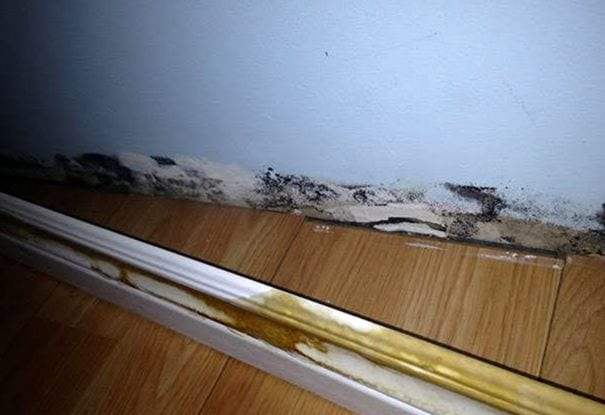
- Inspect and measure. Find the moisture source and how far the growth goes, using moisture readings, not guesses.
- Contain the area with plastic sheeting and sealed doorways, under negative air pressure with HEPA-filtered air scrubbers, so spores do not drift to the rest of the house.
- Remove contaminated porous materials such as drywall, insulation and carpet pad, bagged inside the containment.
- Clean what stays: HEPA vacuuming and wiping of framing, subfloor and hard surfaces.
- Dry the structure and fix the moisture source, or tell you exactly what needs fixing if it is a plumbing or roofing job.
- Check before closing up: a visual check and moisture readings, plus independent testing if you want written clearance.
Preparing for a Mold Inspection
A little preparation makes the inspection faster and more accurate:
- Do not clean, bleach or paint over the mold before the inspection. It hides how far the growth goes and stirs spores into the air.
- Write down where you notice the smell and when it is worse: after rain, on humid days, when the heat comes on.
- List the leaks, floods and plumbing repairs you know about, with rough dates.
- Clear a path to the basement, the attic hatch, under the sinks and behind the washer.
- Leave the heating and cooling system as it is, and tell us if a musty smell comes from the vents.
- Keep pets out of the rooms that will be inspected.
- Have the age of the house and any past renovation work handy; it tells us what is behind the walls.
- If you rent or live in a condo, let the landlord or association know, since the fix may involve shared pipes or walls.
To book an inspection, call (857) 754-6108 or send a request.
Mold Remediation Questions
Do I need mold testing, or just remediation?
Often just remediation. When mold is growing where you can see it, the EPA's advice is that sampling is usually unnecessary: all indoor mold growth is handled the same way, by fixing the moisture and removing the growth. Testing earns its cost when you smell mold but cannot find it, when a landlord, buyer or lawyer needs a written result, or when you want independent confirmation after the work is done.
Can mold hide behind plaster walls?
Yes. Plaster itself is a poor food for mold, but the wood lath and framing behind it are good ones, and a slow leak inside the wall can go unnoticed for a long time. Signs include a musty smell in one spot, paint that bubbles or flakes, a faint stain that returns after painting and baseboards that feel damp. We check with moisture meters first and open the wall only where the readings point.
Can mold spread through my heating and cooling system?
Spores travel wherever air moves, and a forced-air system moves a lot of it. During remediation the system is shut off and the vents in the work area are sealed inside the containment. If growth is found inside the ducts or the air handler, cleaning them becomes part of the job; otherwise the problem simply comes back.
How much mold can I clean up myself?
EPA guidance puts the line at about 10 square feet, a patch roughly 3 feet by 3 feet. Smaller areas caused by clean water can usually be scrubbed off hard surfaces with detergent and water by a careful homeowner wearing gloves, eye protection and an N95 mask. Larger areas, mold after sewage or flood water, growth in the ductwork, or anyone in the house with asthma or a weak immune system are reasons to call a professional.
Will bleach kill it?
Bleach is not the answer on porous materials such as drywall, wood or carpet: it whitens the surface while the growth underneath survives, and the water in it feeds the next round. The EPA does not recommend routine use of biocides for mold cleanup. Removal and drying are what work.